February 19

Exercises

1. Put the verbs into correct tense /Present, Present Continuous, Past Tenses/ 

  • Julia is reading in the garden. 
  • She has two sons. 
  • I stayed in Spain for 3 weeks last summer. 
  • The class begins at 9 every day. 
  • What you are eating at the moment? 
  • They are happy.

2.Put some, any, many, much. 

  • She has some books /some, any/ 
  • I spend many days here. /many, much/ 
  • Do you have any Brothers? /some, any/ 
  • There are too many students in the class. /many, much/ 
  • He hasn’t got any friends. /some, any/ 
  • We didn’t earn much money this year. /many, much/ 
  • There are some flowers here. /some, any/ 
  • Please give me some water. /some, any/ 
  • I am sorry, I don’t have much time /many, much/ 

3. Բայերը գրեք ներկա անորոշ ժամանակով, հիշեք, որ 3֊րդ դեմք եզակի թվում բային ավելանում է ֊s, -es-վերջավորությունը։ օրինակ` He plays the piano.

1. I love you.

2. Ron speaks serious.

3. She goes to school every day.

4. We like tomatoes.

5. The boy wants to play.

6. You need to sleep.

7. They agree with me.

8. She hears something strange.

4. Հետևյալ նախադասությունները դարձրեք հարցական, ժխտական (անցյալ ժամանակ֊Past tense, օրինակ` They worked in the garden. Did they work in the garden? They didn’t work in the garden. He had a cat. Did he have a cat? He didn’t have a cat. He was 10. Was he 10? He was not 10.

1. I was a student.
Was i a student.?
I wasn’t a student.

2. We made a cake.
Did we make a cake.?
We didn’t make a cake.

3 They saw a big car.
Did they see a big car.?
They didn’t see a big car.

4 You were 10 years old.
Were you 10 years old.?
You weren’t 10 years old.

5. Ընտրիր ճիշտ տարբերակը:

There are many pens on the table/ many, much/

Is there some water in the glass? /some, any/

He drinks much coffee. /many, much/

There is some grass in the garden. /some, any/

There is much snow in the yard. /many, much/

There is some bread on the plate. /some, any/

There are many trees in the garden. /many, much/

There isn’t any coffee in the cup. /some, any/.

6. Նախադասության բայերը գրեք անցյալ ժամանակաձևով:

1. I went to the city once a week.
2. You played the guitar very well.
3. She never visited me.
4. Tom always found new ways to do things.
5. Ann wanted to speak.
6 My mother had a big house.
7 We played a lot.
8. They sold fruit and eggs.
9 The building was on fire.
10 I usually helped my neighbours.
11. His brother rarely left town.

February 3

Where do you live

Lesson 1

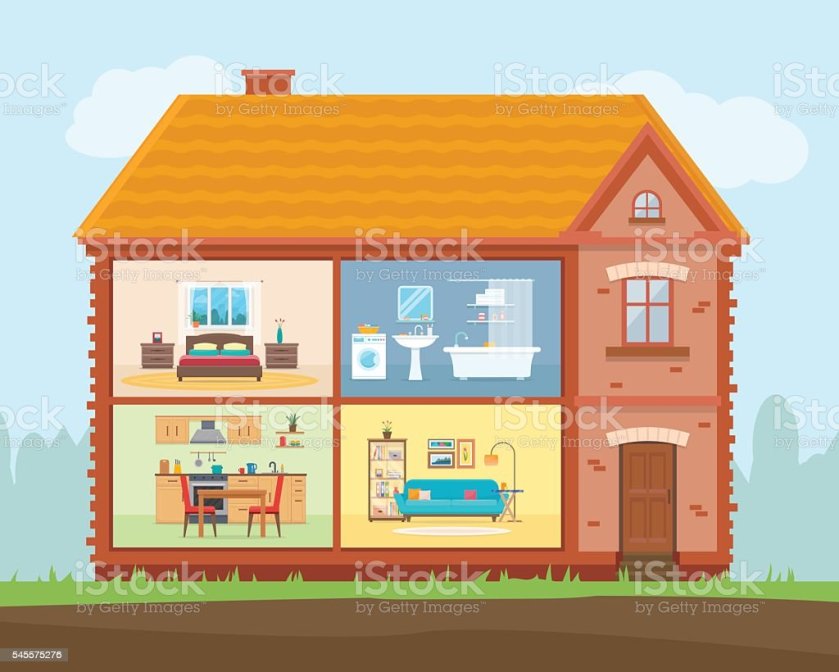
Նայրիր նկարին և պատմիր

istockphoto-545575276-1024x1024

Պատմիր քո տան մասին/ տեսանյութով/, պատասխանելով հարցերին

Where do you live? I live in Ashtarak.

Do you live in a flat or in a house? I live in a flat.

How many rooms are there in your house, flat? My house have 3 rooms.

What do you have in your living-room, kitchen, bathroom and bedroom?

Do you have a garden in front of your house, flat?

Բառեր, որոնք  կօգնեն քեզ նկարագրել քո տունը։

Large, small, fireplace-բուխարի,, in the corner- անկյունում, comfortable, cosy, beautiful, warm, cold, in the middle- մեջտեղում, in front of- առջևում, stove-գազօջախ, cupboard- պահարան, wardrobe- զգեստապահարան, sink- լվացարան, tap- ծորակ, carpet- գորգ, lovely, quiet- հանգիստ

Հիշել՝ Many – much- շատ

Much- օգտագործում ենք անհաշվելի գոյականների հետ՝ sugar, water, rice, hair/դրանք այն գոյականներն են, որոնց հնարավոր չէ հաշվել, կարող են հաշվել միայն կիլոգրամներով, շշերով, կտորներով և այլն/

օրինակ՝

There is a pen on the table.

There are many pens on the table.

I see a boy in the yard.

I see many boys in the yard.

Tom drinks milk in the morning.

Tom drinks much milk in the morning.

There is snow in the yard.

There is much snow in the yard.

Տեղադրեք many, much

There are … interesting books in the bookcase.

I like tea with … milk.

We see … boys and girls in the yard.

Do you eat … bread with soup?

English people don’t drink … coffee.

English people drink … tea.

There is … grass in our garden.

There are … nice flowers in the vase.

I don’t like sandwiches with … butter.

Children like to eat … ice-cream.

Tom has … good friends.

Lesson 2

Կարդալ հեքիաթը, դիտել մուլտֆիլմը, լսել ձայնագրությունը:

Թեման՝ PAST SIMPLE-անցյալ անորոշ

Անգիր սովորել.

  • Buy-bought-գնել
  • drink-drank-խմել
  • begin-began-սկսել
  • build-built-կառուցել
  • draw-drew-նկարել
  • drive-drove-վարել
  • give-gave-տալ
  • eat-ate-ուտել
  • know-knew-իմանալ
  • forget-forgot-մոռանալ
  • leave-left-լքել,հեռանալ
  • make-made-պատրաստել,անել
  • ride-rode-վարել հեծանիվ,ձի

Classwork

Ex 1 2 3 4 5 6

December 7

Christmas in England

In English speaking countries, children don’t get their presents on Christmas Eve (24 December). Santa comes at night when everyone is asleep. Santa’s reindeer can fly and take him from house to house. They land on the roofs of the houses and then Santa climbs down the chimney to leave the presents under the Christmas tree.

In the morning of Christmas Day (25 December), children usually get up very early to unwrap their presents. Then they have plenty of time to play with their new toys.

Christmas dinner is served in the early afternoon. Most people eat turkey and sprouts and a Christmas pudding.

26 December is called Boxing Day. It hasn’t always been a holiday. People used to go back to work on that day where their bosses gave them little Christmas presents in small boxes. That’s why the day is called Boxing Day.

November 18

The Fox and the Crow

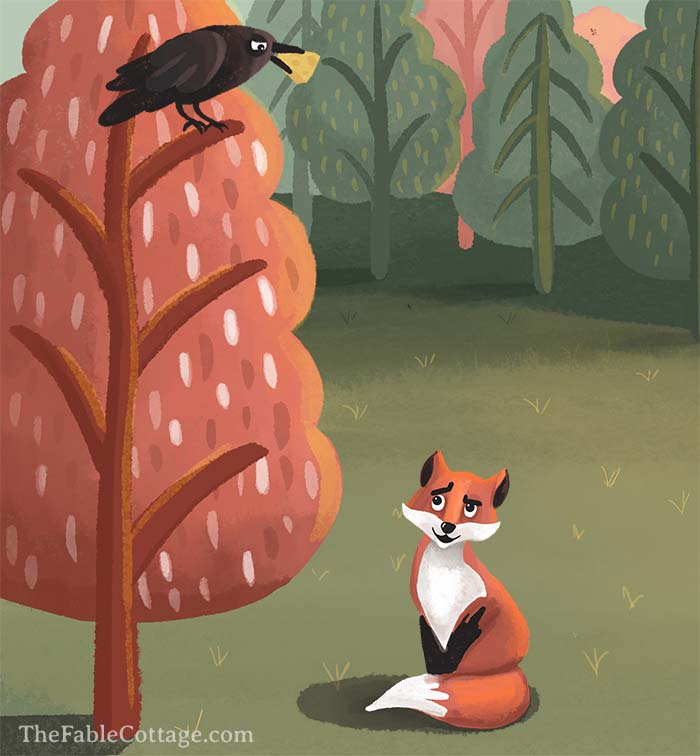
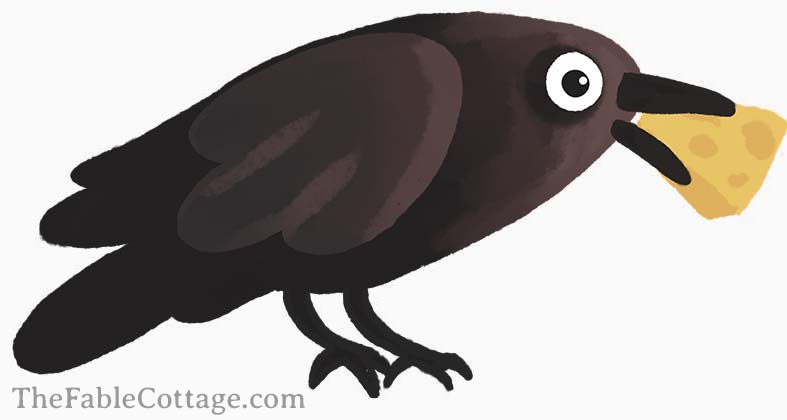
Early one morning, a fox is walking through the woods. He is hungry, and he is looking for something to eat. He sees a crow sitting on the highest branch of a tree. The crow has a piece of cheese in her beak. 

“Mmm… I love cheese!” thinks the fox. “I think I’ve found my breakfast! But how can I get the cheese?”

He thinks and he thinks. Then he has a clever idea. “I will make her talk!”

He sits at the bottom of the tree and looks up at the crow. 

“Good morning, Miss Crow!” he says. “It’s a lovely day, isn’t it?”

The crow looks down at the fox. She says nothing.

“I said, good morning! Did you hear me?” says the fox. “Maybe you can’t hear me up there.”

The crow is suspicious. She holds the cheese tightly in her beak and says nothing. 

“Hmm. This is not so easy,” thinks the fox. But he doesn’t give up. He smiles at the crow.

“You know…  you really are the most beautiful bird,” he says. “Your feathers are so shiny! Your eyes are so intelligent! Your beak is so…umm…  pointyEverything about you is perfect!”

Still, the crow says nothing.

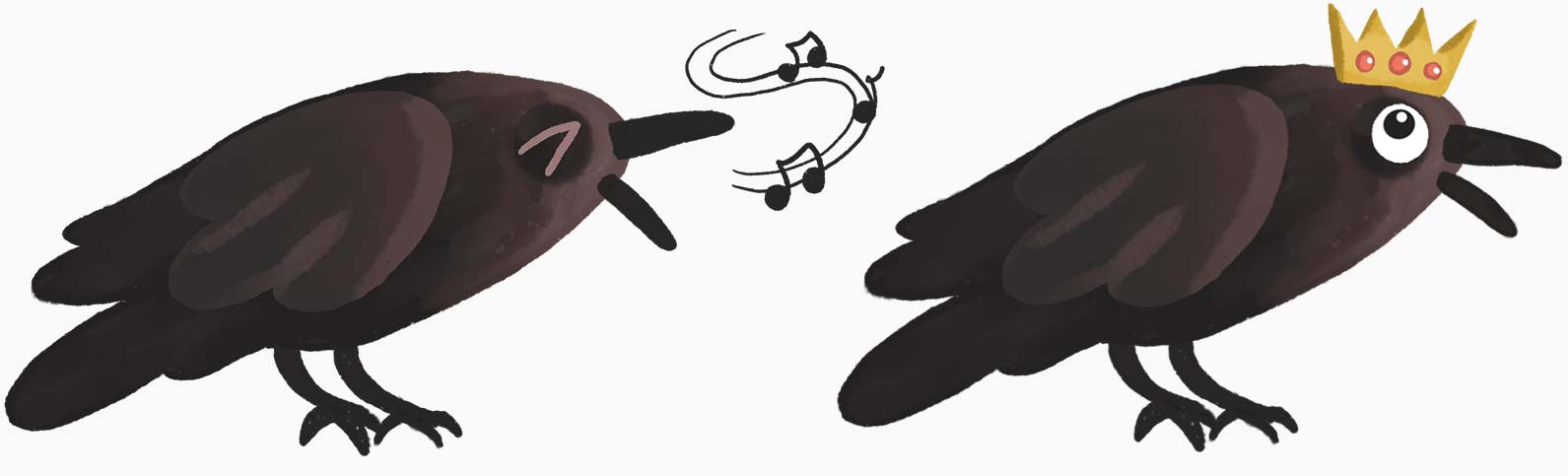
So the fox says: “Tell me, Miss Crow…  is your voice also magnificent? I hear that you have the most wonderful voice. Please sing for me! Just one song! Then I can tell everyone you really are the most incredible bird — the queen of all birds, in fact!”

This makes the crow feel good. She wants everyone to know she has a wonderful voice. She wants everyone to know that she is the queen of all birds. 

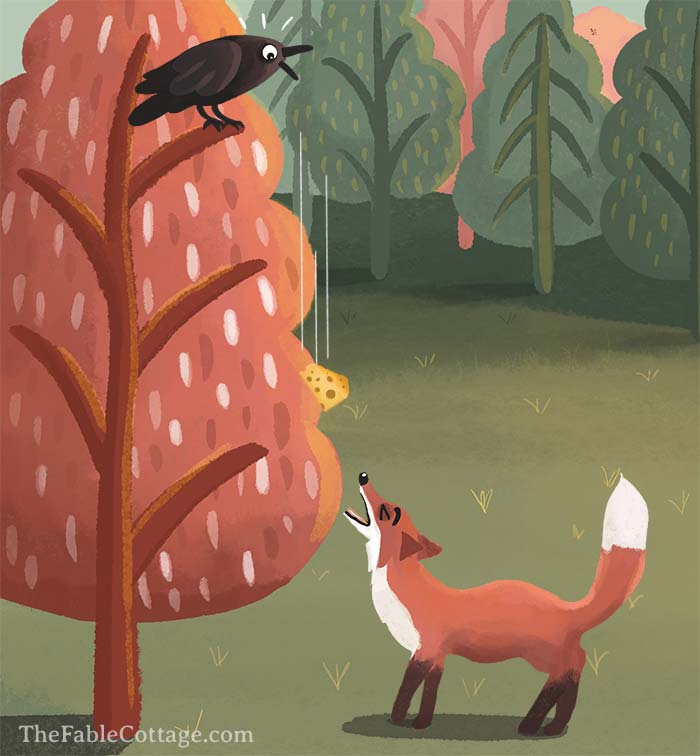
She smiles a little smile. Then she smiles a big smile. Then she opens her mouth to sing her best song for the fox. And… plop! The cheese drops out of her beak and falls straight into the mouth of the fox. He swallows it in one gulp.

“Mmmmm. Thank you for the delicious breakfast, Miss Crow!” laughs the fox as he walks away. “Have a lovely day!” 

October 28

English words

Սովորել անգիր.

on (place)-վրա —There is a book on the table.
on (time)-ին  —We shall meet on Monday.  (շաբաթվա օրերի հետ գրում ենք՝ on)
in (place)-մեջ. The pen is in my bag.
in (time)-ին —He was born in 1981. His birthday is in May. (տարեթվերի, ամիսների հետ գրում ենք՝ in )
at (place)-ում- I met him at the station.
at (time)-ին- I get up at 8 o’clock.
down-ներքև — He ran down the street.
up -վերև- The cat climbed up the tree.
out of-ից դուրս- They went out of the room.
into մեջ, ներսը- He went into the house.
above- վերևում- There is a bookshelf above my table.
under -տակը- The cat is under the table.
with -հետը- I shall go there with my friend.
without -առանց- We can’t eat soup without spoons.
for -համար- This book is for my brother.
of (ցույց է տալիս պատկանելություն) —The name of the dog is Jack.
before-առաջ-I shall do my homework before supper.
after-հետո- They will play football after school.
in front of-դիմացը-There is a small garden in front of my house.
behind-հետևում-The blackboard is behind the teacher’s table.
beside կողքը- He came into the room and sat beside Mary.
between -մեջտեղում- There is a picture between the windows.
about -մասին-I shall tell you about my best friend.
around-շուրջը-They gathered around the table.
by-կողքը-He sat by the fire.
through-միջով- He went through the field.
near-մոտ-There is a shop near the house.
far from -հեռու-Jack lives far from our house.
to- դեպի-He goes to school every day.
from-ից դեպի (նաև ծագումով ինչ-որտեղից)-He has dinner when he comes home from school.

Կատարել.

October 24

English test

1. Put the verbs into correct tense /Present, Present Continuous, Past and Future Tenses/ 

  • Julia is reading in the garden. 
  • What have we for dinner tonight?  
  • She has two sons.
  • I stayed in Spain for 3 weeks last summer. 
  • The class begins at 9 every day. 
  • What are you eating at the moment? 
  • Next year we will have a new house.  
  • She met her friends at her birthday party last month.  

2.Put some, any, many, much. 

  • She has some books /some, any/ 
  • I spend many days here. /many, much/ 
  • Do you have any Brothers? /some, any/ 
  • There are too many students in the class. /many, much/ 
  • He hasn’t got some friends. /some, any/ 
  • We didn’t earn much money this year. /many, much/ 
  • There are some flowers here. /some, any/ 
  • There were many cars on the road.  
  • Please give me some water. /some, any/ 
  • I am sorry, I don’t have much time /many, much/ 

3. Բայերը գրեք ներկա անորոշ ժամանակով, հիշեք, որ 3֊րդ դեմք եզակի թվում բային ավելանում է ֊s, -es-վերջավորությունը։ օրինակ` He plays the piano.

1. I love you.

2. Ron speaks serious.

3. She goes to school every day.

4. We like tomatoes.

5. The boy wants to play.

6. You need to sleep.

7. They agree with me.

8. She hears something strange.

4. Հետևյալ նախադասությունները դարձրեք հարցական, ժխտական (անցյալ ժամանակ֊Past tense, օրինակ` They worked in the garden. Did they work in the garden? They didn’t work in the garden. He had a cat. Did he have a cat? He didn’t have a cat. He was 10. Was he 10? He was not 10.

1. I was a student.
Was I a student?
I wasn’t a student.

2. We made a cake.
Did we make a cake?
We didn’t make a cake.

3 They saw a big car.
Did they see a big car?
They didn’t see a big car.

4 You were 10 years old.
Were you 10 years old?
You were not 10 years old.

5. Ընտրիր ճիշտ տարբերակը:

There are many pens on the table/ many, much/

Is there any water in the glass? /some, any/

He drinks much coffee. /many, much/

There is some grass in the garden. /some, any/

There is much snow in the yard. /many, much/

There is some bread on the plate. /some, any/

There are many trees in the garden. /many, much/

There isn’t any coffee in the cup. /some, any/.

6. Նախադասության բայերը գրեք անցյալ ժամանակաձևով:

1. I went to the city once a week.
2. You played the guitar very well.
3. She never visited me.
4. Tom always found new ways to do things.
5. Ann wanted to speak.
6 My mother had a big house.
7 We played a lot.
8. They sold fruit and eggs.
9 The building was on fire.
10 I usually helped my neighbours.
11. His brother rarely left town.
October 14

Robin Hood

People have told stories about Robin Hood for more than 700 years.
Nobody knows if he was a real person or an invented character. In the
legends, Robin was extremely intelligent and had a playful sense of
humour. He loved playing tricks on people.
‘Pick a card, any card!’
The stories say that Robin Hood was a skilled archer and he always
carried a bow and arrow.
‘Ha ha, too easy!’
He wore green clothes and a hat with a green feather. He lived in Sherwood Forest with a group of
outlaws, or criminals, known as his ‘Merry Men’. The group included Friar Tuck, ‘Mmm, yummy!’, Little
John, who was unusually tall, ‘Little is just my nickname!’, and Robin’s true love, Maid Marian. ‘Take
that!’
Sherwood Forest was a royal hunting forest near Nottingham in England. Most people thought that
forests were dangerous places to go. People travelling through the forests were often robbed by
outlaws.
‘Your money, please, my Lord!’
‘Oh no, it’s Robin Hood!’
The stories say that Robin Hood only took money from rich people so that he could give it to people
who needed it. So he became famous for ‘robbing from the rich and giving to the poor’.
‘Here you are, my dear.’
‘Oh, thank you, Robin!’
The Sheriff of Nottingham was Robin’s arch-enemy. It was the sheriff’s job to keep the woods safe
and to make sure that nobody stole the king’s deer.
‘What’s that? Is that Robin Hood?’
The Sheriff of Nottingham tried to catch Robin Hood, but never succeeded.
‘Oh no, not again!’
Centuries ago people loved to tell each other stories of Robin Hood. Later he became a famous
character in books, and nowadays Robin is still a well-loved hero in literature, theatre, TV and films.


Անծանոթ բառեր

story-պատմություն

invented -հորինված

legend-լեգենդ

extremely֊չափազանց

intelligent-խելացի

sense of humor-հումորի զգացում

skilled archer- հմուտ նետաձիգ

bow and arrow- նետ ու աղեղ

feather-փետուր

outlaw- ավազակ

included-ներառյալ

nickname-մականուն

royal-թագավորական

hunt- որս

dangerous-վտանգավոր

rob-կողոպտել, թալանել

rich-հարուստ

famous-հայտնի

enemy-թշնամի

stole, steal-գողանալ

catch-բռնել

succeed- հաջողություն

nowadays- այժմ, ներկայում

Պատասխանեք հարցերին

Who was Robin Hood?
Robin Hood was.

Was Robin an archer or a shooter?
Robin Hood was an archer.

What was he doing?
Robin Hood took money from rich people so that he could give it to people who needed it.

Why he was famous?
He was famous because he was very kind.

Who was Maid Marian?

Why the forests were dangerous?

Who wanted to catch Robin Hood?

Can you describe Robin Hood?